The Little Sleep Rituals That Actually Help Me Switch Off

From the one tiny lightbulb that changed my evenings to my no-scroll bedroom rule, these are the things I keep coming back to when I want better sleep.
I used to be really bad at getting to sleep.
Not necessarily because I didn’t feel tired, quite the opposite. I could be completely exhausted and still find myself lying there tired but wired with a brain that had apparently decided at 11pm to feel wide awake. Or thinking about tomorrow. Or remembering something random I needed to do. Or reaching for my phone for “just five minutes”…
Five minutes, of course, being a very optimistic estimate.
Over time, I've realised that getting better sleep for me isn't about one magical product or following a perfectly optimised bedtime routine.
It's much more about the little things I do throughout the day and how I transition into the evening.
I've slowly created a few rituals that help me move from daytime into night time. And honestly, some of them are ridiculously simple.
First things first: getting outside in the morning
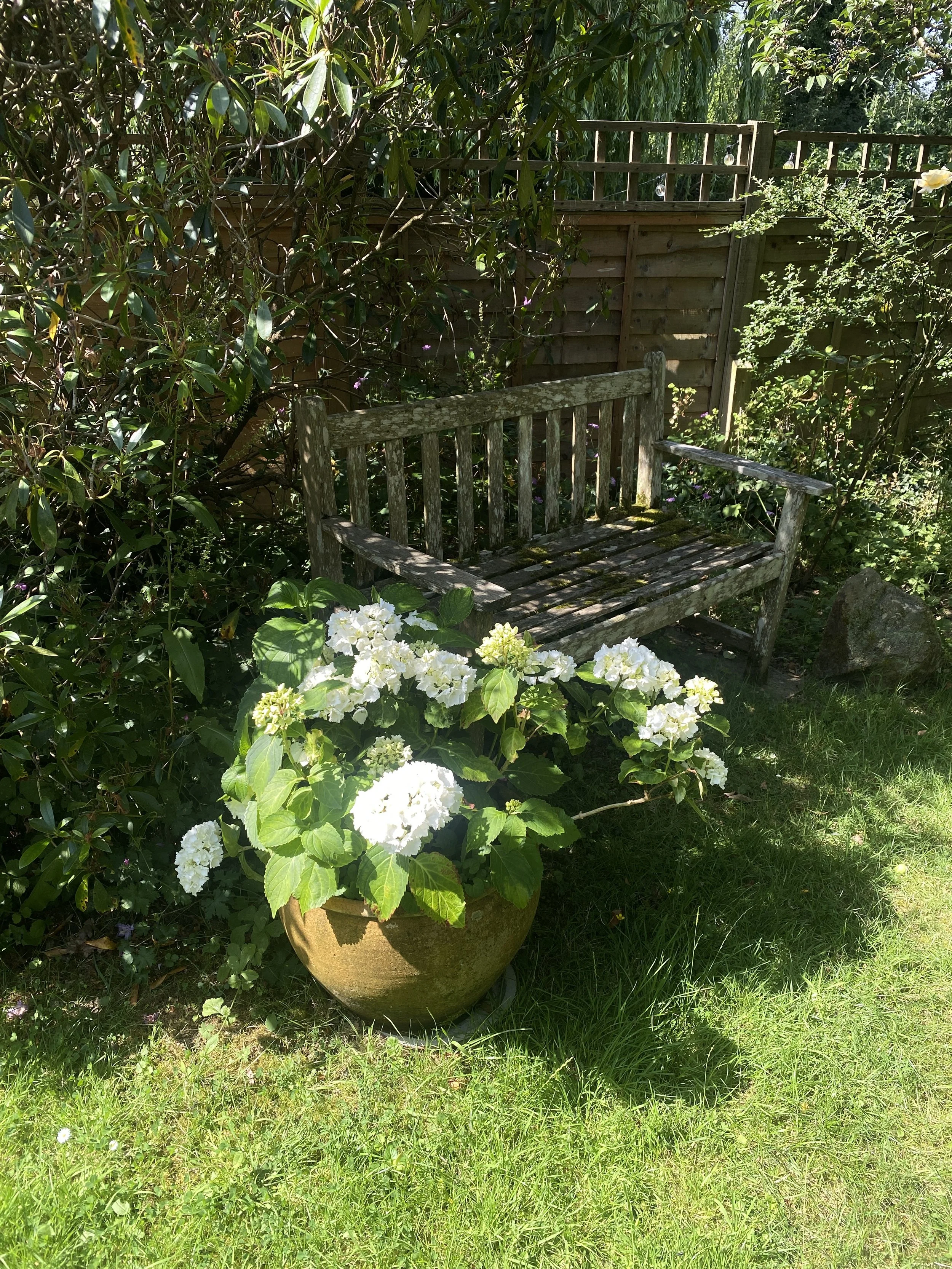
This is probably the last thing I would have thought would have anything to do with my sleep, but it's actually become one of the things I now try really hard to be consistent with.
I've started keeping my lights-out and wake-up times pretty regular, rather than having wildly different bedtimes depending on what kind of day I've had.
First thing in the morning, I go outside for a little walk around the garden as soon as I can. Nothing fancy. No 5am sunrise routine. No cold plunge.
Just me, outside, getting some natural daylight and moving my body a little.
Light is one of the strongest environmental cues for our circadian rhythm. our internal body clock, so getting light exposure earlier in the day and keeping evenings darker can help reinforce those day/night signals. Research into light exposure and sleep consistently points towards the importance of when we're exposed to light, rather than simply thinking about light as “good” or “bad.”
And this is where I think it's easy to get caught up in the latest sleep gadget and forget the basics.
Morning light.
Regular sleep and wake times.
Getting outside.
Moving your body.
They're not particularly exciting. But they matter.
Movement is part of my sleep routine too
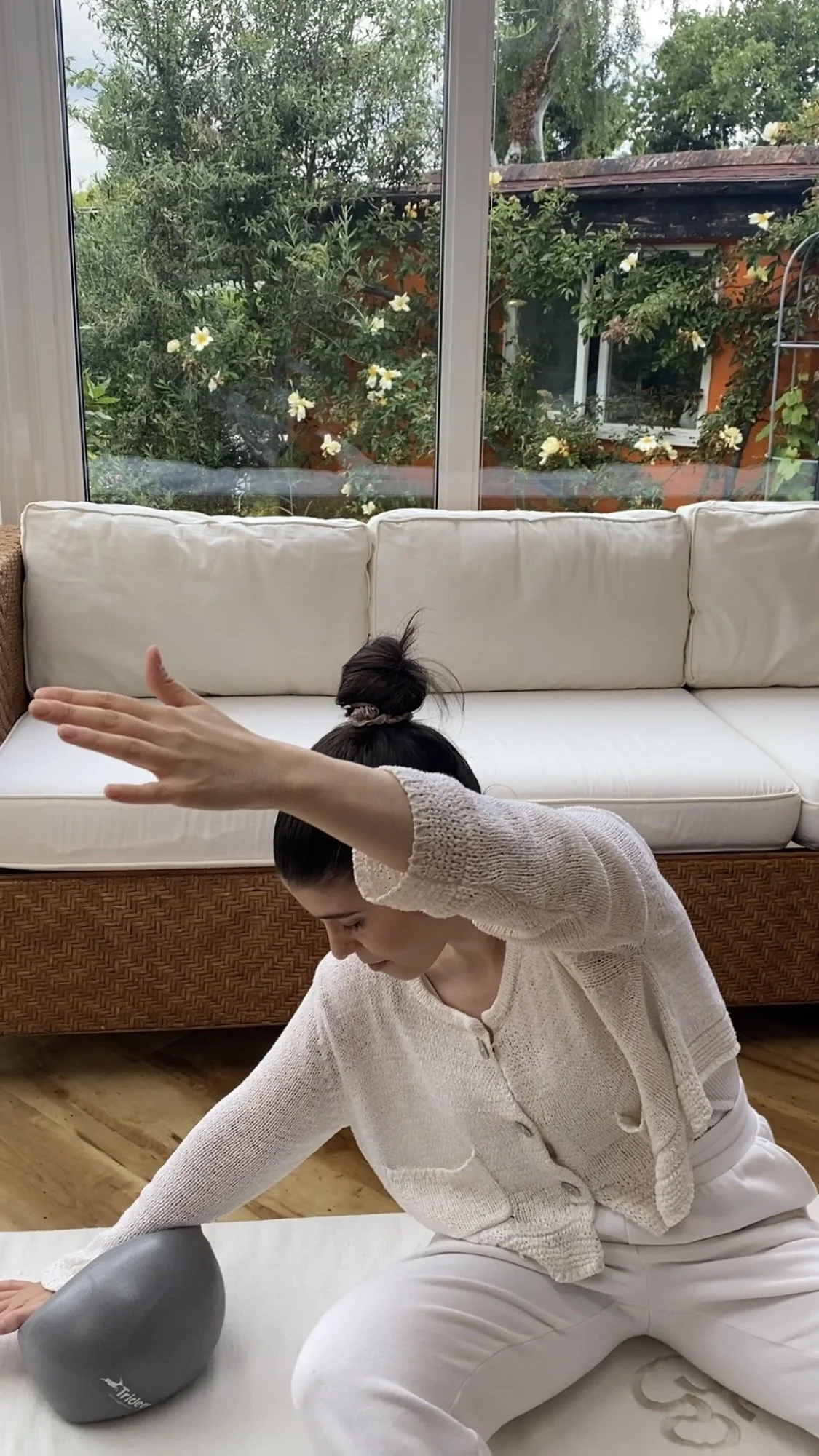
I also make a point of moving my body every day.
This one probably isn't a huge surprise considering I teach Pilates, but I think it's worth mentioning because sometimes we talk about sleep as though it begins at 9pm. It doesn't. Our whole day feeds into how we feel at night.
For me, movement isn't about doing a huge workout or exhausting myself so that I'll sleep better. It's simply about moving regularly and keeping my body feeling like a body that has actually lived through the day.
Pilates, walking, teaching, stretching, whatever feels intuitive that day, it all counts.
Research supports a positive relationship between regular exercise and sleep, with reviews finding that exercise can improve several measures of sleep quality, including sleep efficiency and insomnia symptoms.
So yes, movement gets a place in my sleep routine. Over time, I’ve realised that getting good sleep isn’t just about what time I get into bed. For me, it’s much more about what happens in the hour or two beforehand.
I’ve slowly created a little evening ritual that tells my body: we're winding down now. And honestly? These are some of the simplest changes that have made one of the biggest differences.
The tiny change that made a big difference
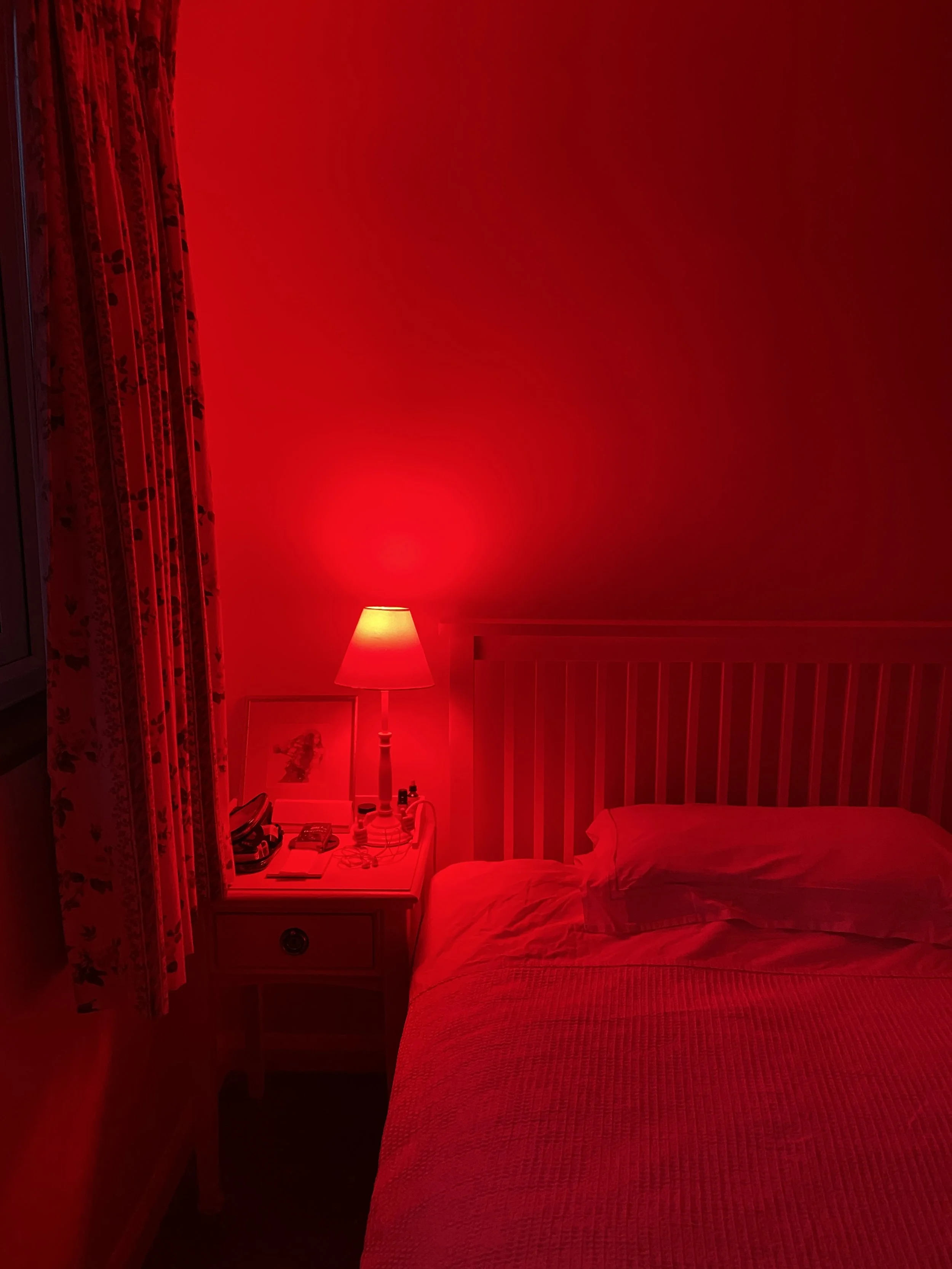
This might sound ridiculously simple, but swapping the bulb in my bedroom lamp has genuinely changed my evenings. My friend Sarah tipped me off to her own red-light routine and I started looking into low-cost ways I could create a similar feeling without investing in one of the more expensive red-light panels.
That's when I found the BON CHARGE Blue Light Blocking Light Bulb, which gives off a red light designed to eliminate blue and green wavelengths. It creates this really soft, warm glow that immediately makes my bedroom feel different. Instead of switching on a bright, white bedroom light at night, I turn this on and the whole room feels instantly calmer.
There’s actually a reason I love this so much beyond the cosy atmosphere. Light is one of the cues that helps regulate our circadian rhythm, our internal sleep-wake clock. Bright, blue-enriched light in the evening can make it harder for our brains to recognise that it’s nighttime, whereas dimmer, warmer light is much more conducive to winding down.
The BON CHARGE bulb is specifically designed to remove blue and green wavelengths and produce a red glow. But honestly, even without getting too technical, I noticed the difference. My bedroom now feels like a cosy space to wind down and get cosy. And that little shift has become part of my sleep cue.
Shop the BON CHARGE sleep bulb →
My no-scroll bedroom policy
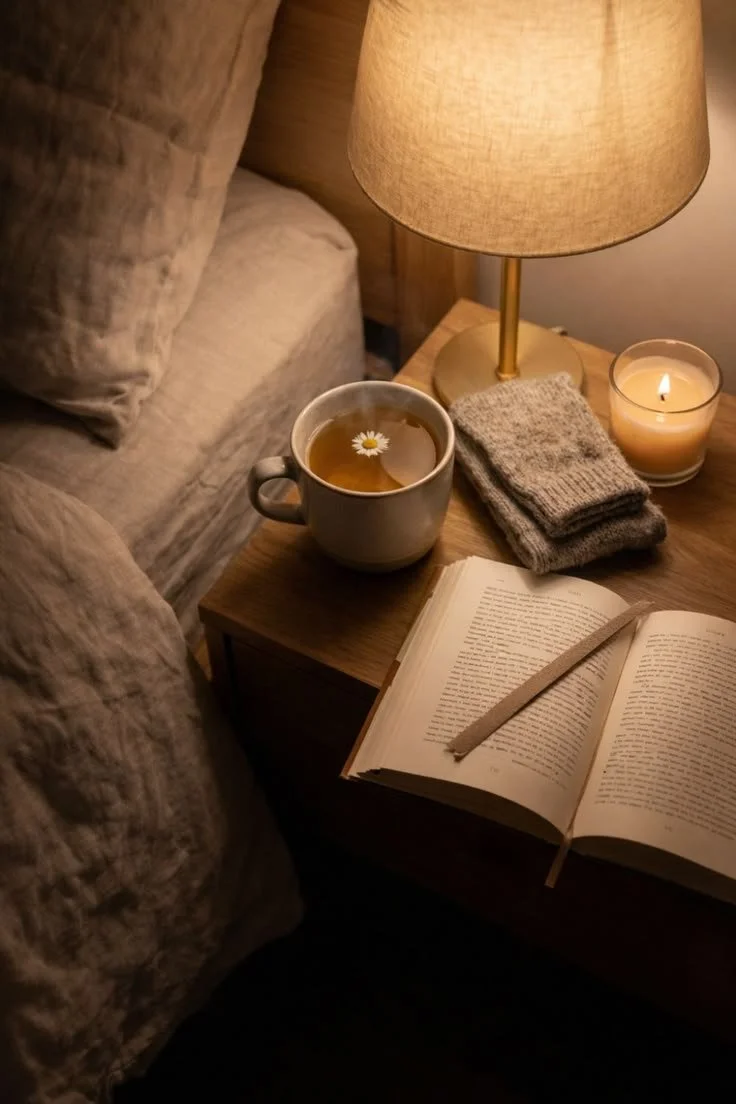
The other big one: I don't scroll in bed. This has been a game changer. My bedroom is where I sleep, read, listen and switch off, not where I catch up on Instagram, answer emails or suddenly decide I need to research something I thought of three hours ago.
Because we all know how this goes...I'll just have a quick look. Twenty minutes later...somehow you're watching a stranger reorganise their kitchen drawers. So I've made my bedroom a no-scroll zone.
I'm not completely anti-phone before bed, though. Sometimes I'll use my phone to listen to an audiobook or use YouTube for a guided meditation, but that's very different from actively scrolling.
Enter…Libby
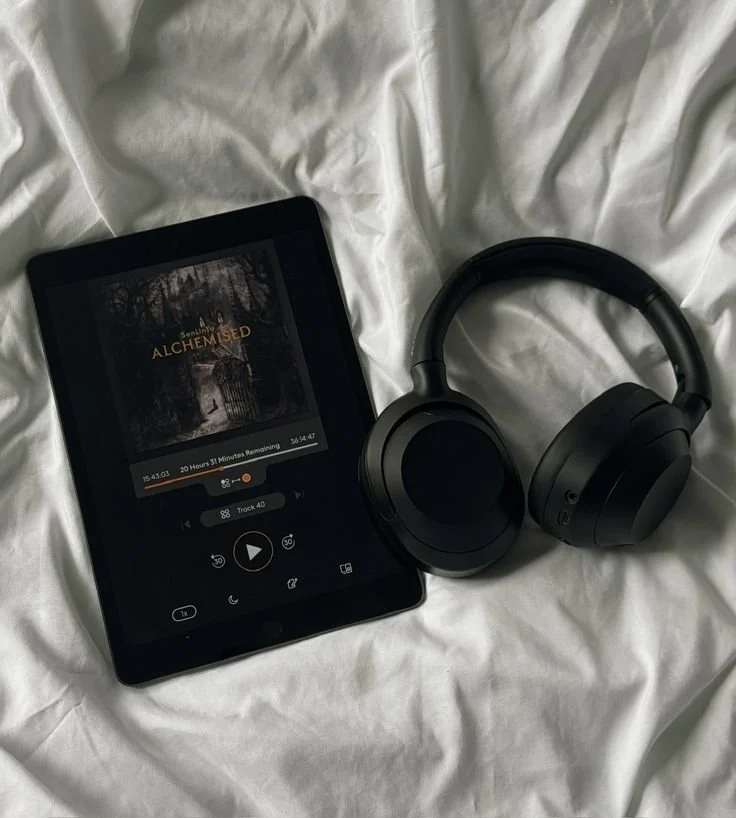
One of my favourite discoveries in the last 5 years has got to be Libby, the library app.
If your local library is connected to Libby, you can borrow ebooks and audiobooks straight from your library, which means I can listen to a book without needing to buy another one or have yet another subscription.
I love putting an audiobook on quietly while I'm getting ready for bed or once I'm already tucked in.There's something about listening rather than looking that makes it much easier to let the day fade out. And most importantly no looking at blue light or the screen before bed.
What's in my nighttime supplement stack

[Not medical advice. These are personal recommendations based on what I use and find helpful. Always check that supplements and products are suitable for you and speak to your doctor or health professional if you're unsure.]
Once I'm ready for bed, I also have a few things that have become part of my own wind-down ritual. Not because I think you need a cupboard full of supplements to sleep, you absolutely don't. My motto is always: listen to your own body, take what resonates and leave the rest.
These are simply the things I've personally found helpful and have naturally become part of my evening.
Magnesium glycinate

Magnesium is involved in hundreds of processes in the body, including normal muscle and nerve function, so it's a mineral I particularly value as part of my evening routine.
There's also growing interest in magnesium and sleep. The research isn't conclusive, but a recent randomised controlled trial found that magnesium bisglycinate produced a modest improvement in insomnia symptoms in adults with poor sleep, while previous reviews have highlighted that the overall evidence is still mixed.
For me, it's simply something I like having as part of my evening routine, particularly because I can feel the difference when my body is tense and tired.
It's become one of those small signals that tells me ok, we're winding down now.
Cherry Active

I also take my Cherry Active capsules as part of my evening routine.
Montmorency tart cherries naturally contain melatonin, as well as plant compounds called anthocyanins, which is one reason they've attracted interest in sleep research.
A 2025 systematic review found that some of the available studies reported improvements in sleep duration, sleep efficiency and the time it took to fall asleep, with several also reporting increases in melatonin levels. The important caveat? There were only seven intervention studies and they varied quite a lot in their doses, duration and participants, so more research is still needed.
For me, it's another little part of the ritual.
And sometimes the ritual itself is part of the benefit.
Magnesium oil + a little body care

Another thing I love before bed is my BetterYou Magnesium Oil Spray. I spray it onto my tummy or anywhere that feels particularly tight after the day, usually my shoulders and neck and take a few minutes to gently massage it in.
I'm not going to tell you that magnesium oil is a miracle sleep treatment because the evidence for absorbing enough magnesium through the skin to produce a meaningful physiological effect is much less established than the evidence around oral magnesium.
For me, this part is really about the pause. I'm spraying something onto my skin, massaging my shoulders and neck, noticing where I'm holding or guarding my muscles and giving myself a few quiet minutes before getting into bed.
And then… lavender

I also keep my Tisserand Organic Lavender Essential Oil by my bedside.
I love the smell of lavender at bedtime. It's become another little sensory signal that the day is coming to an end. And there is actually some research behind this one too.
A 2026 systematic review and meta-analysis looked at 11 randomised controlled trials involving 628 adults and found that lavender essential oil was associated with improved sleep quality. The researchers also noted that the number and quality of the studies mean that we still need better research.
I use it because the scent is calming to me and because it has become part of the same familiar sequence every evening.
It's one more little sensory cue that says we're done for today.
My favourite final step: guided relaxation

And when my mind is particularly busy? I don't try to force myself to sleep.
That's usually when I find myself getting frustrated:
Why am I not asleep yet?
I need to sleep.
Why am I still awake?
Which, unsurprisingly, doesn't exactly help. Instead, I'll put on a guided relaxation and simply let myself listen.
This is one of my favourites:
Listen to my favourite guided wind-down meditation →
I find it particularly calming when my mind feels busy or I've had one of those days where there are 100 tabs open in my brain.
I just listen, breathe and let the voice give my brain something gentle to focus on. Sometimes I fall asleep halfway through. And that's a pretty good review.
A little note before you go
Looking back, I think the biggest change wasn't one individual thing. It was creating more consistency around what rest looks like for me and then, hopefully, sleep can follow.
I want to be honest and say, I am human and there are definitely nights when sleep doesn't go to plan. But I feel like I now have a little toolbox of things I can turn to when I need them, rather than lying there wondering what on earth I'm supposed to do to switch off.
And honestly, that in itself has made such a difference.
This post is based on my own experience and the things I personally use as part of my nightime routine.
The research around supplements, essential oils and sleep is still developing, and something that works well for me may not be right for you.
This is not medical advice and these are personal recommendations only.
If you have any questions about supplements, essential oils, sleep problems or whether something is suitable for you, please speak to your GP, doctor or another qualified health professional.
Always check the individual product information and make sure anything you use is appropriate for you.